
Richard Rohr
What is dualism, it’s effect and how to let it go
“We choose one side, and once you choose it, you prefer it”
— Richard Rohr
- Speaker
- Richard Rohr
- Country
- USA
- Published
- August 2021
Director's Note
This is a special interview for me, I always come back to it. We choose one side and in a nanosecond we prefer it.... so much truth in it.
Full Transcript
The word dualism is unfortunately not familiar that much to Western people, although it should be. But I think it reveals the fact that we're so comfortable inside of dualistic thinking that we don't recognize it for the problem that it is. The mind is a binary system, and it looks at everything in terms of short / tall, black / white, Catholic / Protestant, gay / straight. And most people are entirely comfortable with that because it gives them the sort of minimal clarity that gives them a sense of control. But the trouble is, it's not true. Things are never that simple. There's gradations in between.
I was told by a doctor that when a little two year old first hears the word tall, the only way they can process that without knowing that, of course, is to distinguish it from short. Now that's all a little two year old needs. But in fact, as you grow up, you learn there's huge degrees between a tall person and a short person, and you sort of accept that subtlety. But for all practical purposes, we stay with that binary language and then it gets worse, we think, because we choose one side, and once you choose it, you prefer it.
And all I have to do is tell people don't take my word for it. You watch your mind. As soon as you say any kind of split, you always, within a nanosecond, judge one side to be higher and one side to be lower. That's the beginning of blindness, because people talk, not realizing all words are metaphors. All words are metaphors. There's no other thing except metaphorical language. But then we take those metaphors as if they were a true, objective, metaphysical description of the thing. So this makes for very incomplete perception. And unfortunately, the politics and the psychology that follows from it is even worse.
So what we teach here at the Center for Action and Contemplation is to teach people, frankly, how to contemplate, which is to live in the whole picture where you catch yourself splitting and dividing and identifying with one side. And basically, you practice not doing that. You leave the field of the moment open, you see. That takes surrender and it takes practice because the ego likes to identify with one side. I don't know why that's true, but it does. And presume that one side is always better. This is getting us nowhere. I mean, here in America, as you know, we just went through 18 months of this. So here we are, a country with universities, churches everywhere and at the highest levels of the United States, we found out most people, even people with PhDs on the left or the right, are still dualistic thinkers. So we got our work cut out for us.
Speaker
Themes Explored
Guided Meditations by this Speaker

Choosing one side and preferring it – dualism
I was trying to illustrate dualism in a simple way while I was in Iceland. Then we found that place by chance and it made sense: in the middle of this canyon, a…

Pure presence: it is what it is
An invitation to be present to what is, to what is going on inside of us. A sign langage dance video shoot in the Negev Desert with a beautiful sunset near the …

Reconnect to your source, choose love
I choose love
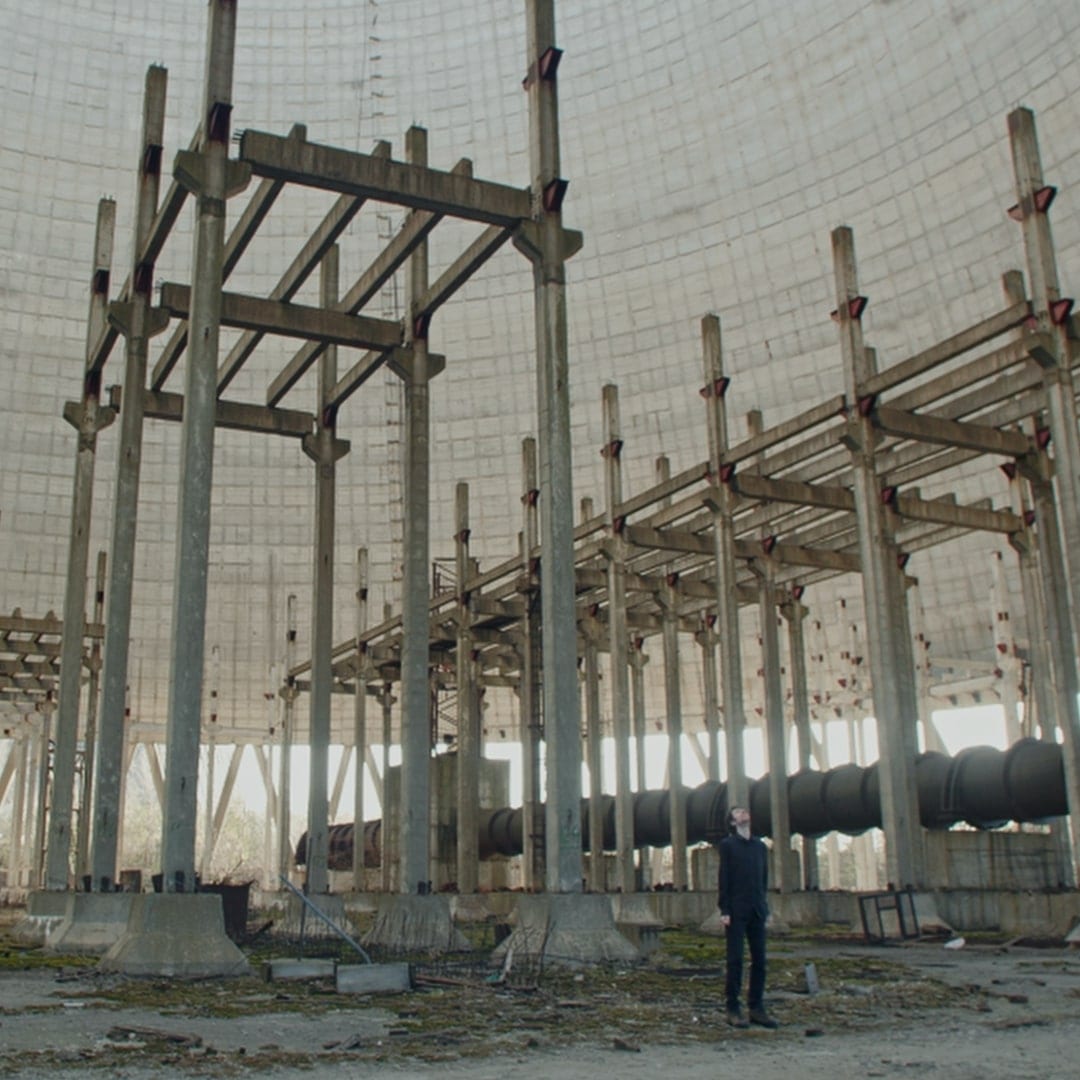
The primary addiction of human beings
The primary addiction of human beings
Continue Exploring this Theme
John Dear
Letting go of your violence
We want to radiate personally the peace we seek politically. We want to practice the peace we want the world to institutionalize.
Ramez Salamé
Change yourself
Have you thought first to change yourself?
Holly Roach Knight
Contemplation and nonviolence
Contemplation and nonviolence